

Distributed platforms rarely fail in one dramatic moment. More often, trouble starts with a small timeout, a stale DNS record, a service endpoint that moved, or a firewall rule that nobody noticed. Middleware sits in the middle of those moving parts, which means connectivity is not just an infrastructure detail. It is the path your […]
Continue ReadingHybrid Cloud Strategies for Modern Enterprises

Hybrid Cloud Strategies for Modern Enterprises – Spagic In today’s enterprise landscape, hybrid cloud is more than a hosting choice — it is an operational model. The most successful organizations blend private, public, and on premise resources to meet performance, security, and compliance goals while staying agile. At Spagic, we help you learn the art […]
Continue ReadingHow to Integrate IoT Systems with Middleware

How to Integrate IoT Systems with Middleware How to Integrate IoT Systems with Middleware IoT is changing the way businesses operate, from real time monitoring to predictive maintenance. But without the right middleware, all those devices, sensors, and edge gateways can become a tangled mess rather than a cohesive system. This comprehensive guide from Spagic […]
Continue ReadingWhat Is Federated Identity Management Explained
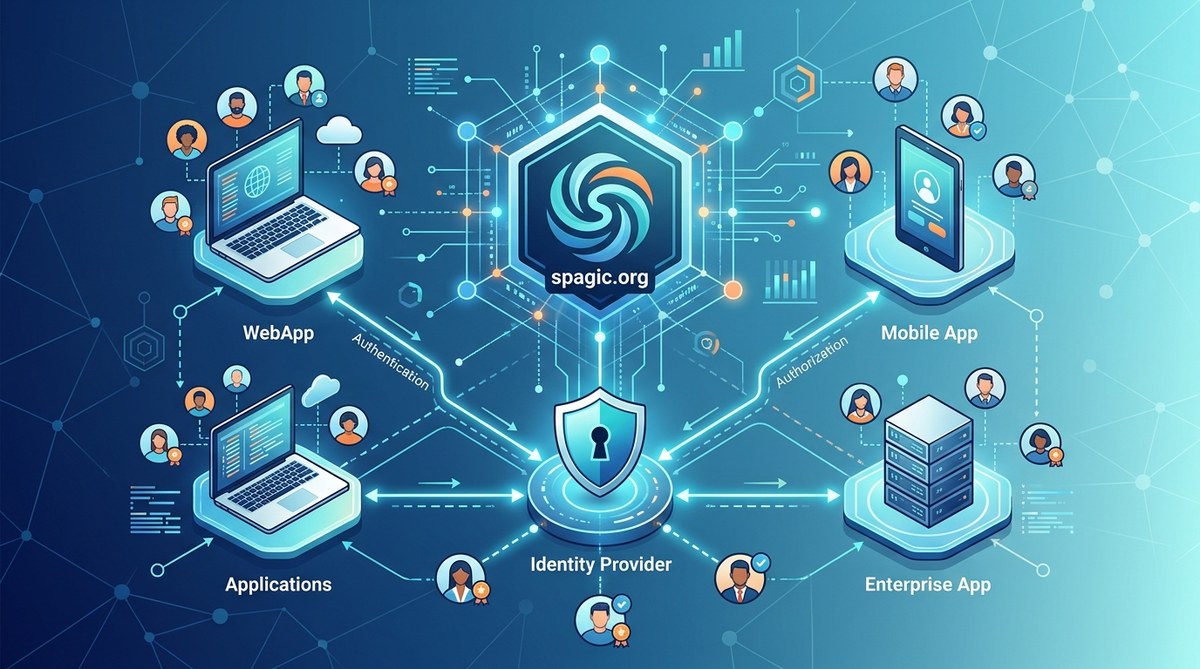
What Is Federated Identity Management Explained In today’s world of cloud based apps, partner ecosystems, and a growing array of devices, the way we handle authentication and authorization matters more than ever. Federated identity management (FIM) helps organizations extend trusted identities across boundaries, letting users access services in multiple domains with a single set of […]
Continue ReadingSolving Cross-Time-Zone Scheduling Challenges in Middleware

Middleware systems rarely operate in one location. A workflow might start in Asia, continue through Europe, and complete in North America. Every step depends on time being interpreted correctly. When time stays implicit, schedules slip, tasks repeat, and failures appear without obvious causes. Many teams first encounter this problem during troubleshooting. A job runs an […]
Continue ReadingFederated Identity Management with Spagic
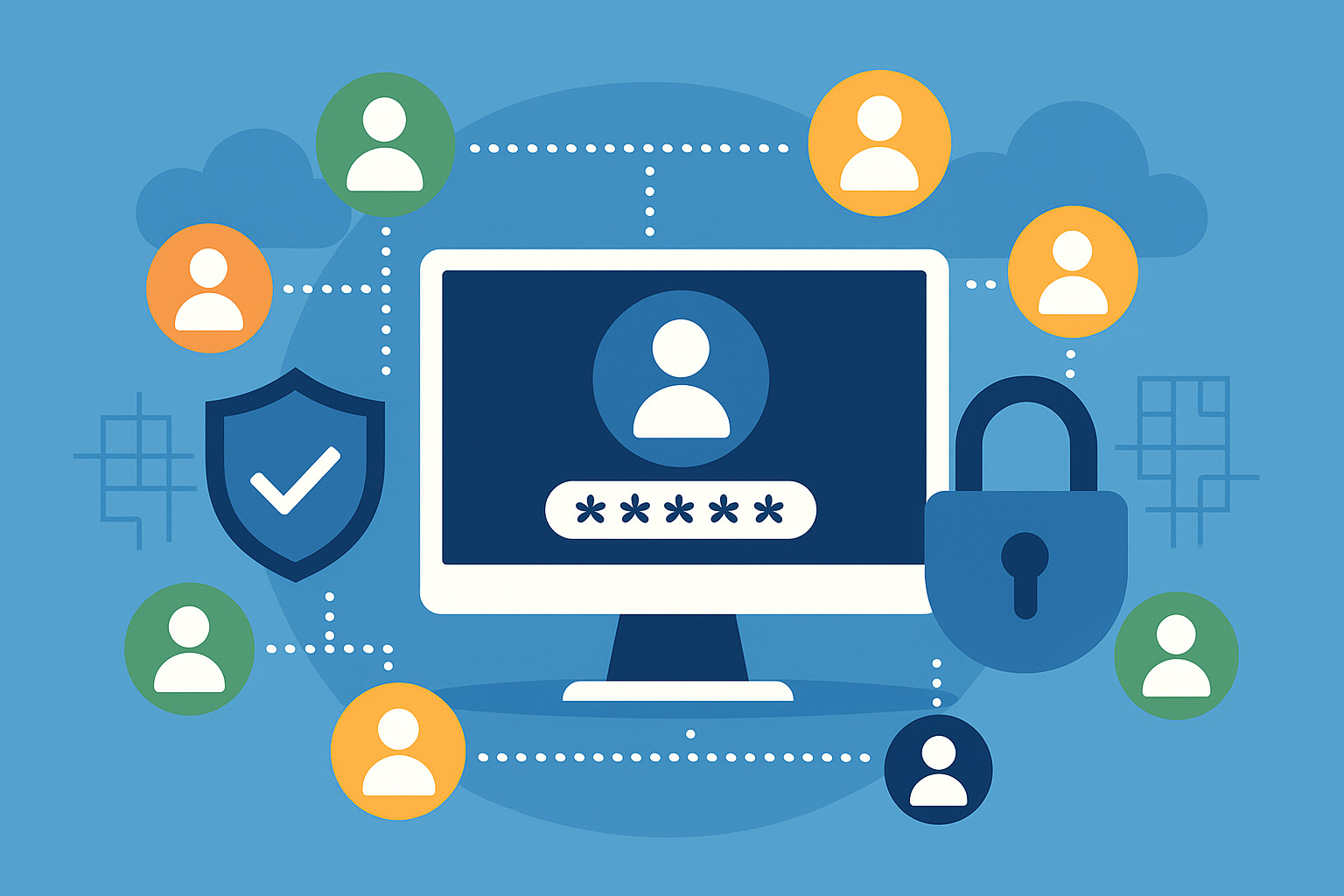
Integrating Systems through Federated Identity As enterprise applications continue to grow, so does the need for unified user authentication. Instead of logging into each service individually, it’s more effective for users to access multiple systems simultaneously using a single identity. This is where the concept of federated identity comes in. With Spagic, authentication can be […]
Continue ReadingIntegrating Spagic with IoT Devices
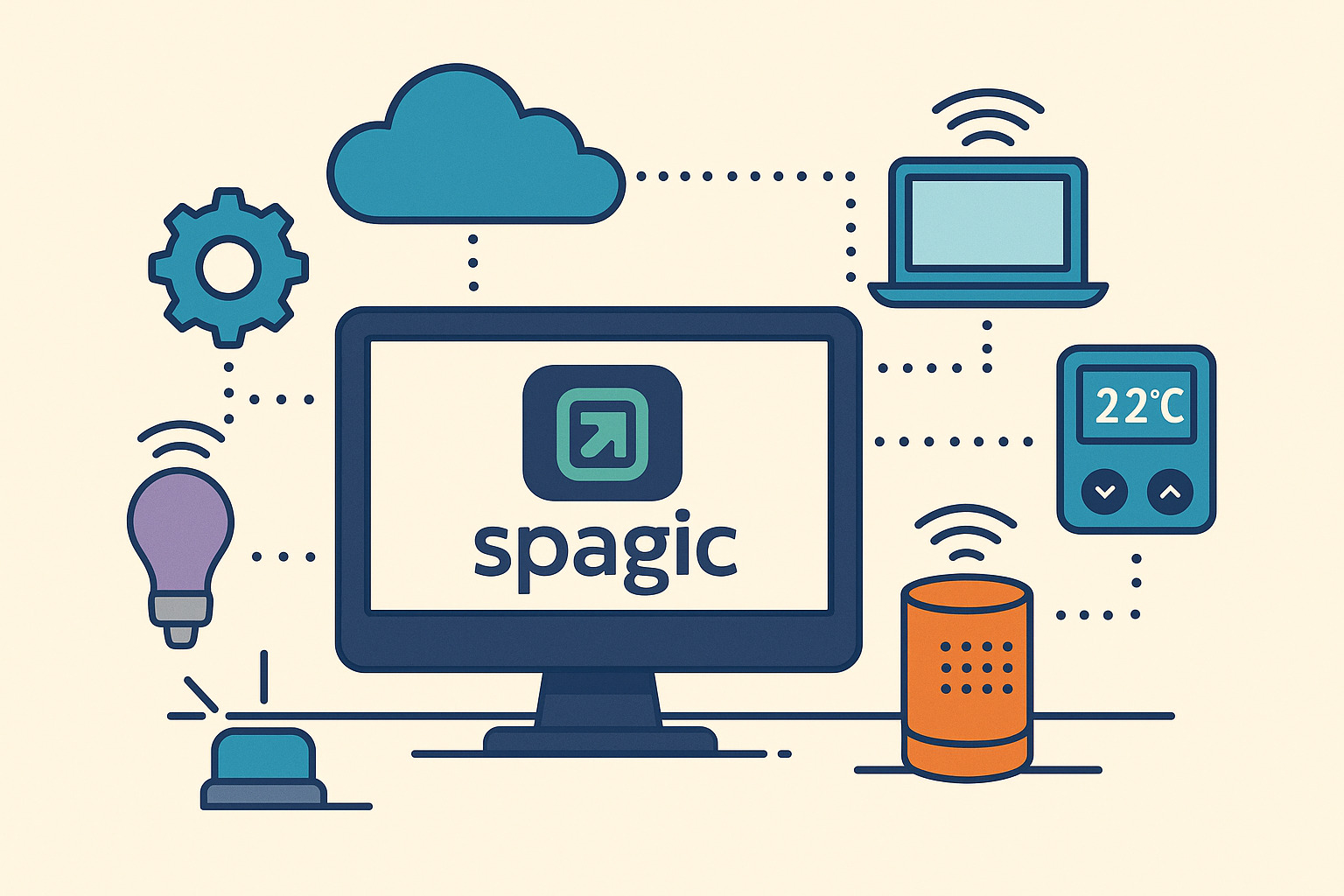
Connecting Spagic Middleware to IoT Devices for More Effective Automation In this era of automation and interconnectivity, establishing a solid integration between enterprise systems and IoT devices is crucial. Through Spagic Middleware, centralized orchestration of previously siloed processes becomes possible. Whether you’re using sensors, smart modules, or embedded devices, this integration provides clearer control and […]
Continue ReadingSpagic User Authentication with LDAP
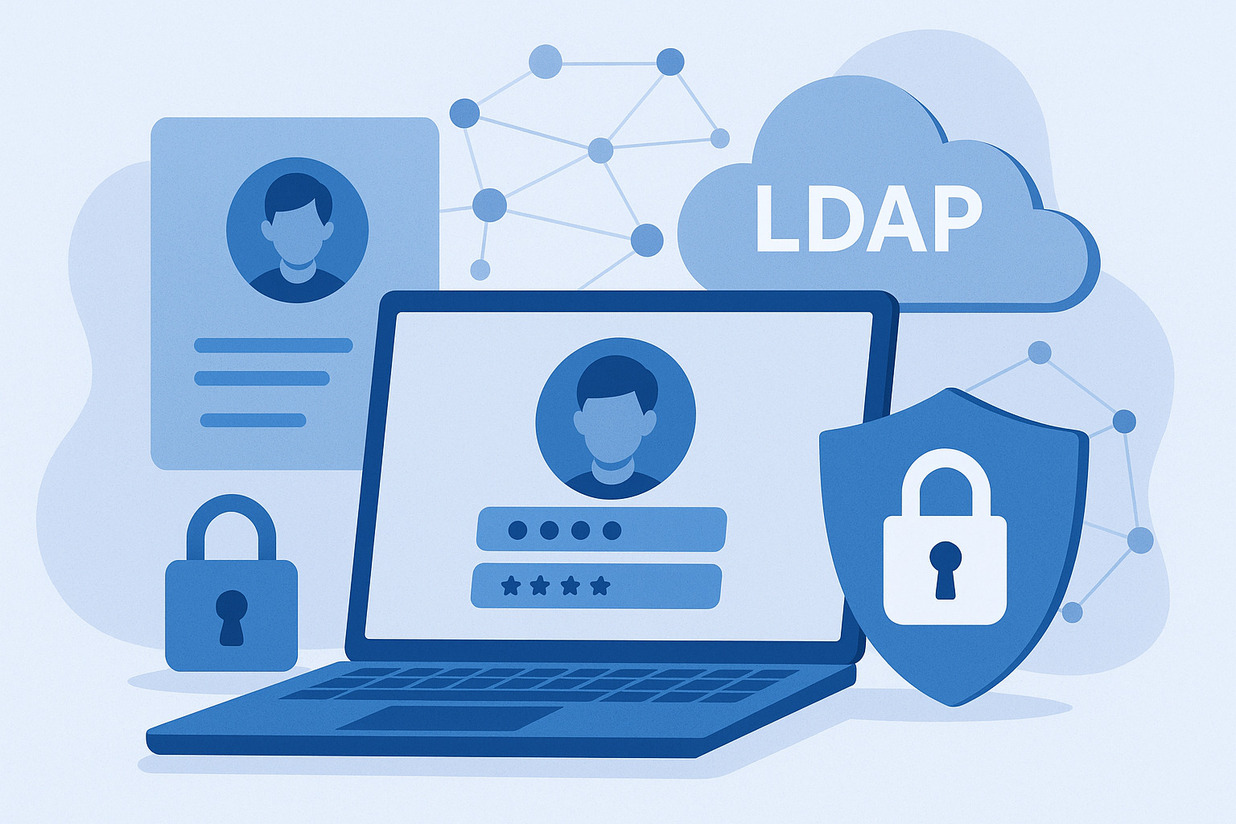
LDAP as Spagic’s Authentication Partner Integrating Spagic with LDAP provides a robust and centralized method for user authentication. For companies and system administrators, using LDAP offers a controlled and scalable solution for managing access. With growing demands for security, such solutions are increasingly preferred for being standardized and easy to integrate. LDAP, or Lightweight Directory […]
Continue ReadingCreate Custom Favicons for Spagic Middleware
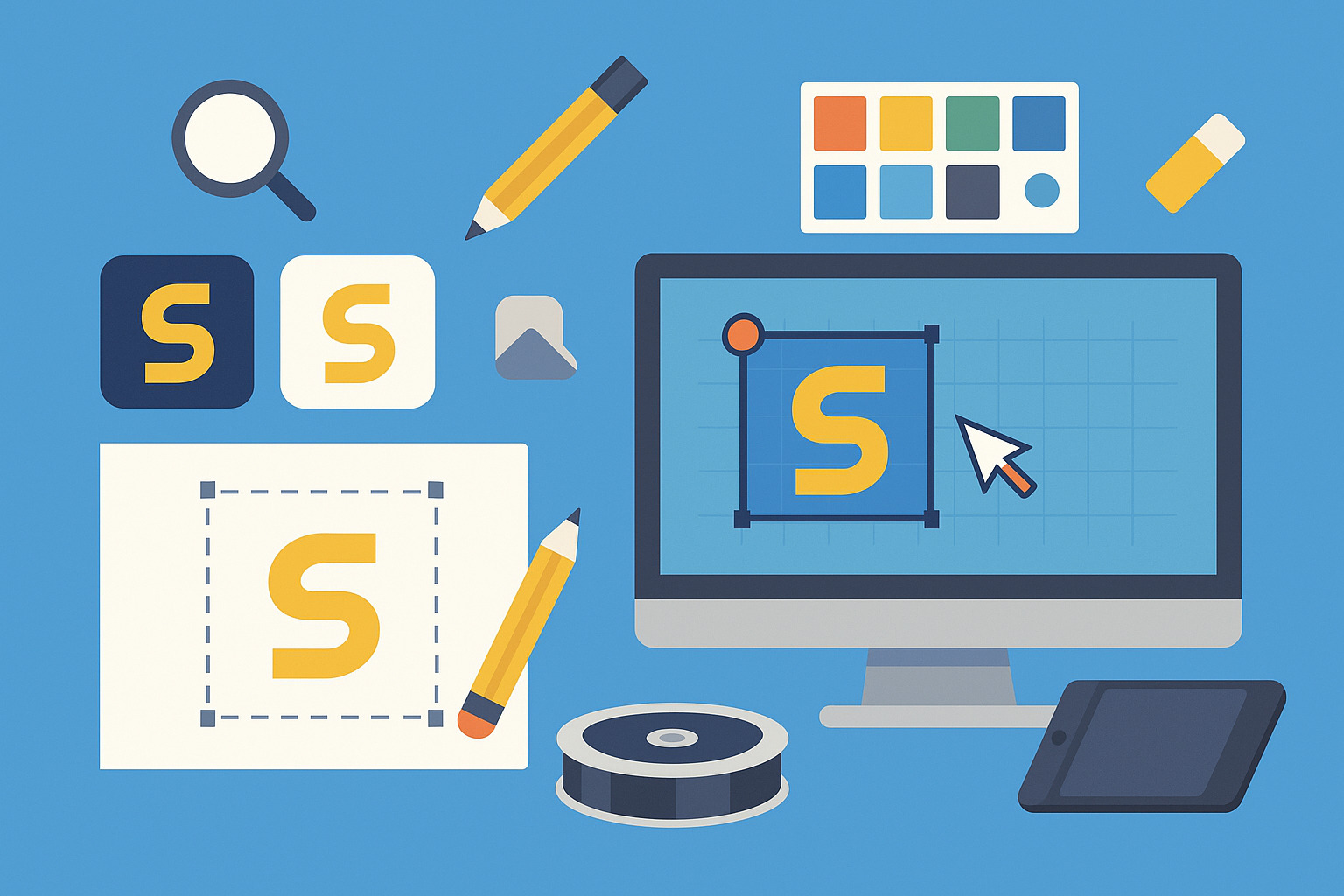
Setting a Custom Favicon in Your Spagic Middleware Interface A software application’s user interface is more than just a tool for functionality—it also serves as a visual identity for the system. In the case of Spagic Middleware, a modular platform used for service integration and orchestration, visual branding plays a vital role in delivering a […]
Continue ReadingSpagic in a Hybrid Cloud Strategy
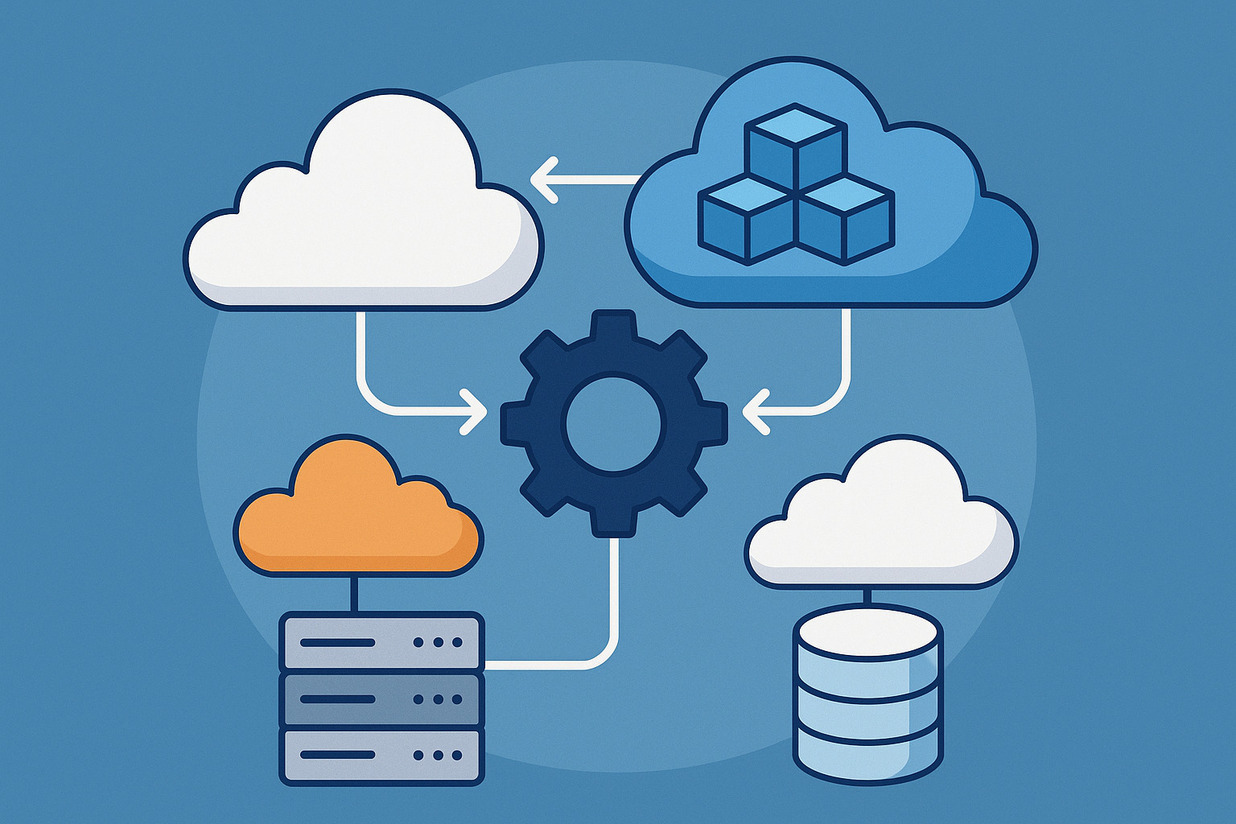
Aligning Spagic with Various Cloud Environments Migrating to a hybrid cloud setup has become essential for many organizations. Today, companies often combine on-premises systems, private clouds, and public clouds to meet different operational needs. This is where Spagic excels as a middleware platform, offering consistent control across these environments. In a hybrid cloud model, parts […]
Continue Reading